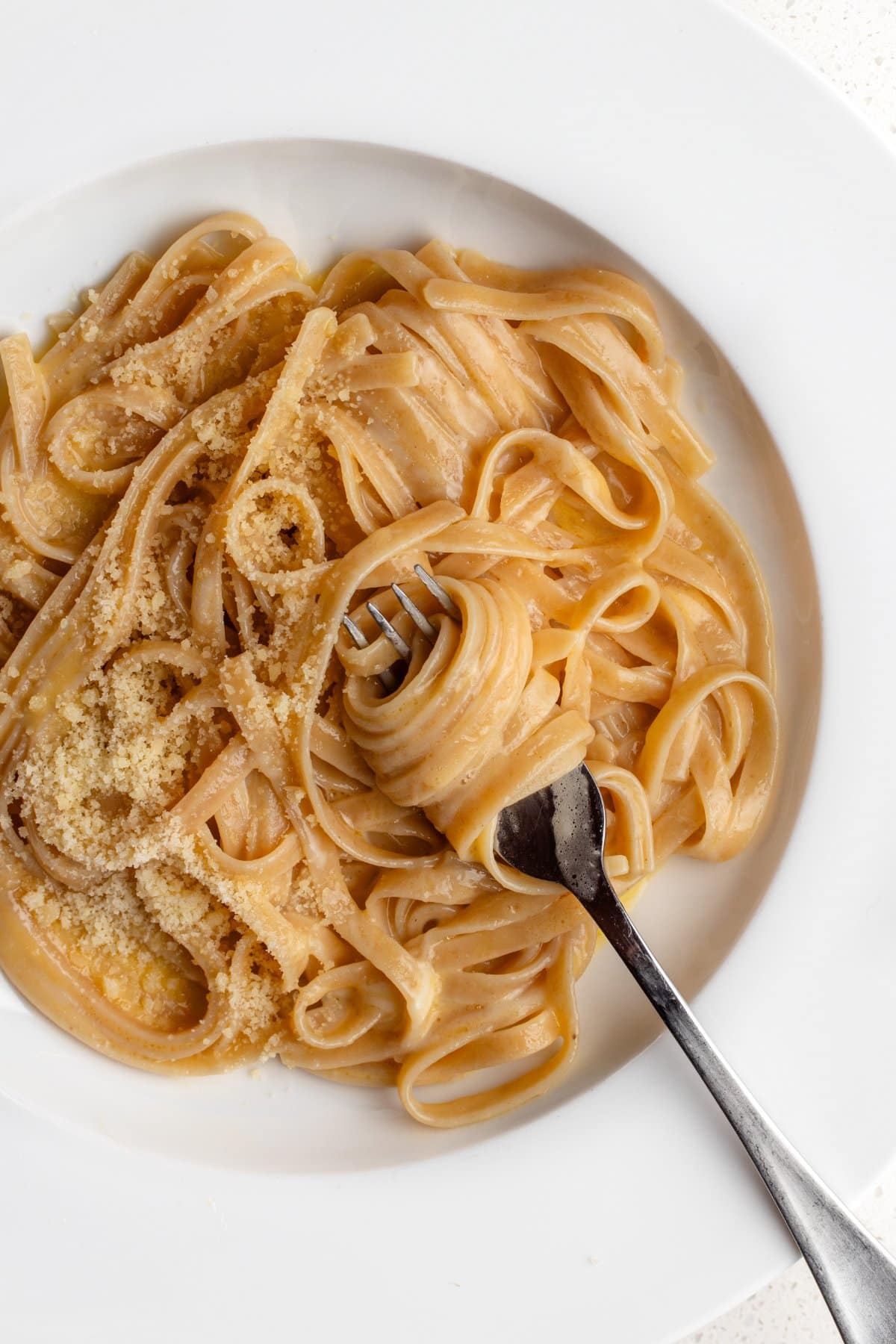
Cream-Free Classic: Uncover True Roman Fettuccine Alfredo History
For many, the mention of fettuccine alfredo conjures images of a rich, heavy sauce laden with copious amounts of cream, often accompanied by garlic and perhaps even chicken or broccoli. While undeniably delicious in its own right, this popular rendition is a significant departure from the dish's humble, yet ingenious, Roman origins. Prepare to challenge your assumptions and delve into the fascinating history of the original Roman classic – a pasta masterpiece that achieves unparalleled creaminess with just three simple ingredients, no cream in sight.
The authentic fettuccine alfredo is a testament to Italian culinary philosophy: elevate modest ingredients through masterful technique. It's a dish that celebrates the inherent flavors and textures of fresh pasta, quality butter, and aged Parmigiano-Reggiano, proving that sometimes, less truly is more.
The Myth vs. The Roman Masterpiece: What is Traditional Fettuccine Alfredo?
The story of fettuccine alfredo begins not in a bustling, commercial kitchen, but in the heart of Rome in the early 20th century. Restaurateur Alfredo di Lelio is credited with inventing the dish for his wife, Ines, who was suffering from a lack of appetite after giving birth. Seeking something nourishing yet delicate, he combined fresh fettuccine with generous amounts of butter and finely grated Parmigiano-Reggiano. The result was a surprisingly comforting and intensely flavorful dish that immediately restored her spirits.
This original creation, sometimes affectionately referred to as fettuccine al burro (fettuccine with butter) in Italy, contained no cream, no garlic, and certainly no other additions. Its fame began to spread when American tourists, particularly Hollywood stars Mary Pickford and Douglas Fairbanks, visited di Lelio’s restaurant in the 1920s. Enchanted by the simple elegance, they brought the recipe back to the United States, where it quickly became a sensation. However, over the decades, as the dish traveled further and adapted to different palates, the recipe began to evolve. North American versions, aiming for a richer texture or more pronounced flavors, started incorporating heavy cream, garlic, and even other proteins, transforming the lean Roman original into the decadent dish many know today.
The Simplicity is the Secret: Deconstructing the 3-Ingredient Magic
The true genius of traditional fettuccine alfredo lies in its minimalist ingredient list: fresh fettuccine pasta, unsalted butter, and Parmigiano-Reggiano cheese. That's it. No complicated sauces, no lengthy preparations. The magic, rather, is in the alchemy that occurs when these three components are brought together with precision and heat.
Let's break down why this triumvirate of ingredients works so harmoniously:
- Fettuccine Pasta: While many pastas can be used, fettuccine's broad, flat shape is ideal. It provides ample surface area for the sauce to cling to, ensuring every bite is coated in creamy goodness. Fresh pasta is preferred for its superior texture and ability to absorb the sauce.
- High-Quality Butter: Butter is more than just a fat here; it's a foundational flavor and a crucial component for emulsification. Using a high-quality, preferably European-style butter with a higher fat content, will yield a richer taste and silkier texture. The butter melts and coats the pasta, providing the luxurious mouthfeel.
- Aged Parmigiano-Reggiano: This is non-negotiable. Only true Parmigiano-Reggiano (not generic "Parmesan") possesses the depth of flavor, crystalline texture, and ideal fat content to create the authentic sauce. Its complex umami notes are indispensable, and its finely grated form is key to melting seamlessly into the sauce.
The secret to its impossible creaminess without cream? It's all about emulsification. The starch released from the pasta during cooking, combined with the fat from the butter and cheese, forms a stable, velvety sauce. This technique, where fats and liquids are coaxed into a homogenous mixture, is the heart of what makes authentic fettuccine alfredo so special. For a deeper dive into this elegant technique, you might find valuable insights in The Original Fettuccine Alfredo: No Cream, Just 3 Ingredients.
Mastering the Art of the Cream-Free Sauce: Technique is Everything
Achieving that perfectly silky, clinging sauce requires attention to detail and swift action. The technique is as vital as the ingredients themselves. Here’s how the magic happens:
The Role of Starchy Pasta Water
The unsung hero of authentic fettuccine alfredo is the starchy water left over from cooking the pasta. As pasta cooks, it releases starches into the water. This starchy water acts as the emulsifier, binding the butter and cheese together into a cohesive, smooth sauce. Without it, you'd end up with greasy pasta and melted cheese, not a luscious sauce. Always save more pasta water than you think you'll need – a small ladleful can rescue a sauce that's become too tight.
Finely Grated Parmigiano
This is a critical detail often overlooked. The Parmigiano-Reggiano must be grated on the small side of a box grater, or even microplaned, to achieve a powdery consistency. This fine grating ensures the cheese melts quickly and evenly into the hot pasta, creating a smooth, lump-free sauce. Larger shreds or pre-grated cheese often struggle to melt properly, resulting in a grainy texture.
The Mantecatura Process: Tossing for Perfection
Once the pasta is al dente, the clock starts ticking. The heat from the freshly cooked noodles is the engine that drives the sauce's creation. Transfer the hot pasta directly from the pot into a warm bowl containing the butter and finely grated cheese – do not drain and rinse! The starchy coating on the noodles is essential. Begin tossing vigorously, adding small splashes of the reserved pasta water as needed. This process, known as mantecatura, is where the emulsion forms. The fats from the butter and cheese combine with the starchy water and the heat to create that signature creamy consistency. Work quickly and continuously until a glossy, homogenous sauce coats every strand of fettuccine.
Practical Tips for Your Perfect Roman Alfredo
- Quality First: Invest in the best quality fresh fettuccine, unsalted butter, and authentic Parmigiano-Reggiano you can find. The dish has so few ingredients that each one must shine.
- Warm Your Bowl: Use a pre-warmed serving bowl for tossing. This helps maintain the pasta's heat, which is crucial for melting the butter and cheese effectively.
- Don't Overcook the Pasta: Cook your fettuccine to a firm al dente. It will continue to cook slightly when tossed with the hot sauce.
- Work Quickly: Speed is key. The moment the pasta is cooked, transfer it and begin tossing. The sauce comes together best while everything is piping hot.
- Adjust with Pasta Water: If the sauce seems too thick or tight, don't hesitate to add another small splash of hot pasta water. It's your emulsifying agent and the key to perfect consistency.
- Serve Immediately: Authentic fettuccine alfredo is a dish meant to be enjoyed the moment it's prepared. The sauce will tighten and lose its perfect consistency if left to sit.
- Resist Additions: For a truly authentic experience, resist the urge to add garlic, cream, or other ingredients. A fresh grind of black pepper at the end is the only acceptable embellishment for purists.
Understanding these techniques and nuances is the difference between a good pasta dish and a sublime, authentic fettuccine alfredo experience. To delve deeper into the precise steps and truly hone your technique, consider exploring resources like Master Authentic Fettuccine Alfredo: The 3-Ingredient Roman Secret.
Conclusion
The journey from the Roman restaurant of Alfredo di Lelio to the diverse interpretations found across the globe is a testament to the enduring appeal of fettuccine alfredo. Yet, in stripping away the modern additions and returning to its original form, we discover a dish of profound simplicity and elegance. This cream-free classic isn't just a recipe; it's a masterclass in Italian culinary philosophy, demonstrating how superior ingredients and precise technique can transform humble components into an impossibly creamy, deeply satisfying, and historically rich culinary experience. We encourage you to try preparing the authentic version – you might just find a new favorite classic.
